









A-PET – Amorphous Polyethylene Terephthalate
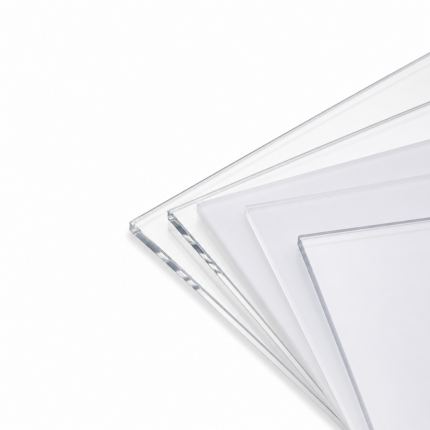
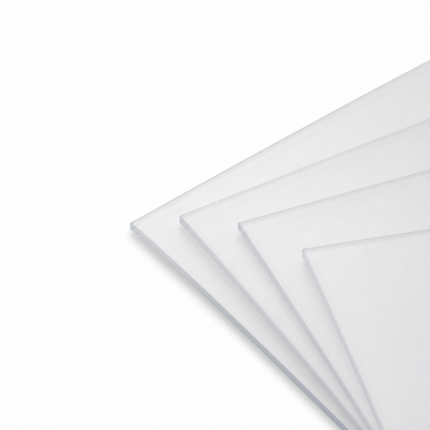
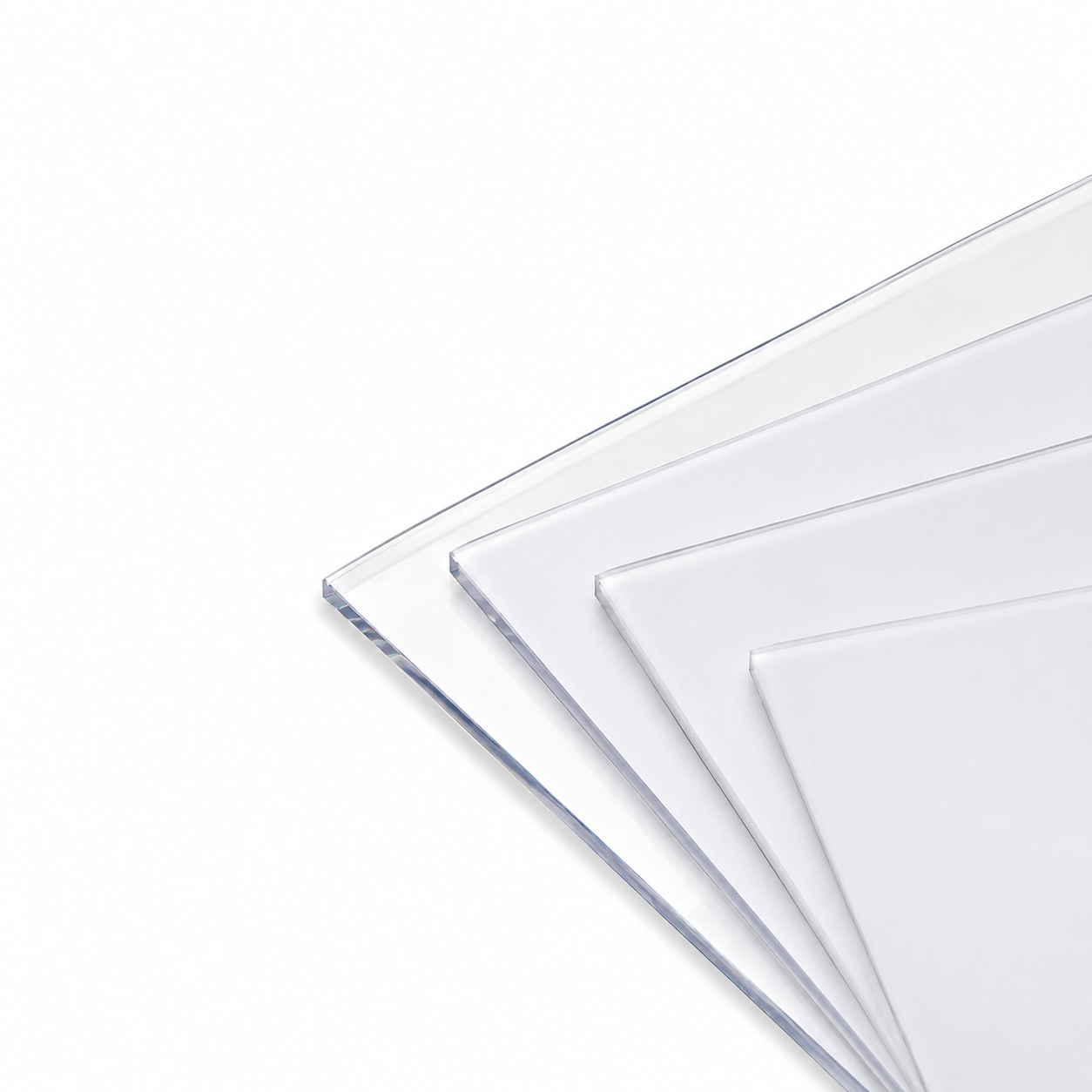
A-PET is a clear, recyclable thermoplastic sheet offering excellent transparency, chemical resistance, impact strength and thermoforming performance. It is suitable for indoor packaging, display and fabrication applications.
Polyethylene Terephthalate is the plastic used to manufacture one of the most common containers in the soft-drink market today: the plastic bottle.
PET is successfully used in packaging for carbonated soft drinks, bottled water, milk, juice, sports and energy drinks. It is also used for jars, punnets, tubs and trays for food items, as well as bottles for household, personal-care and pharmaceutical products.
PET is used to manufacture sheets and films for packaging and is identified by the number 1 recycling code, which is normally displayed on or near the bottom of bottles and containers.
PET is sometimes referred to as polyester. It is manufactured from mono-ethylene glycol (MEG) and purified terephthalic acid (PTA), which is derived from crude oil and natural gas.
Main Features
- For indoor application ONLY
- Excellent transparency and brightness
- High resistance to chemical products
- High impact strength and resistance to breakage
- Thermoformable, do not require any pre-drying
- Excellent fire performance
- Low generation of non-toxic smoke
- Recyclable
- Respectful of the environment
- Completely combustible, without any emission of toxic substances that contaminate landfills
Typical Applications
- Carbonated soft-drink bottles
- Bottled-water packaging
- Milk and juice packaging
- Sports and energy-drink packaging
- Food jars
- Punnets
- Tubs
- Food trays
- Household-product bottles
- Personal-care product bottles
- Pharmaceutical-product bottles
- Packaging sheets and films
Dimensional Stability to Heat
Articles manufactured with this product must not be continually exposed to temperatures above 60°C, depending on the application.
Ageing
The UV component of sunlight causes degradation to all plastics in general. This degradation depends on the exposure conditions, including:
- Actual duration of exposure to sunlight
- Sheet inclination to the sun’s rays
- Temperature
- Humidity
- Sunlight intensity
- Geographical coordinates
This degradation appears as progressive yellowing, reduced light transmission and a loss of mechanical properties.
PET sheets are not protected against the effects of sunlight. However, the material itself possesses some resistance to outside weather and can be used in exterior applications where sunlight intensity is low and does not permanently fall on the sheets.
For exterior applications where the sheets are permanently exposed to ultraviolet light, a stabilised product protected on both sides is recommended.
When used in exterior applications, the protective film must be removed immediately, as exposure to sunlight can cause permanent adhesion to the sheet.
| Properties | Code | Unit | Value |
|---|---|---|---|
| Density | ISO 1183 | g/cm³ | 1.34 |
| Tensile Strength at Yield | ISO 527 | Mpa | 59 |
| Tensile Strength at Breakage | ISO 527 | Mpa | No Breakage |
| Elongation at Breakage | ISO 527 | % | No Breakage |
| Elasticity Modulus in Traction | ISO 527 | Mpa | 2 420 |
| Resistance to Flexion | ISO 178 | Mpa | 86 |
| Charpy Impact Test with Notch | ISO 179 | KJ/m² | (*) |
| Charpy Impact Test | ISO 179 | KJ/m² | No Breakage |
| Rockwell Hardness (M/R Scale) | - | - | (*)/111 |
| Ball Pressure Hardness | ISO 2039 | Mpa | 117 |
| Light Transmission | ASTM D-1003 | % | 89 |
| Refractive Index | ASTM D-542 | - | 1.576 |
| Maximum Service Temperature | - | °C | 60 |
| VICAT Softening Temperature (10N) | ISO 306 | °C | 79 |
| VICAT Softening Temperature (50N) | ISO 306 | °C | 75 |
| Heat Deflection Temperature: HDT A (1.8Mpa) | - | °C | 69 |
| Heat Deflection Temperature: HDT B (0.45Mpa) | ISO 75-2 | °C | 73 |
| Coefficient of Linear Thermal Expansion | ISO 75-2 | x10⁻⁵/°C | <6 |
Specifications are subject to change without prior notice. These data correspond to raw material values.
| Product | Satisfactory | Regular | Unsatisfactory |
|---|---|---|---|
| Mineral Oil | X | ||
| Vegetable Oil | X | ||
| Acetone | X | ||
| Acetic Acid | X | ||
| Water | X | ||
| Turpentine | X | ||
| Ammonia | X | ||
| Detergents | X | ||
| Ethanol | X | ||
| Petrol | X | ||
| Glycerine | X | ||
| Methanol | X | ||
| Toluene | X |
Specifications are subject to change without prior notice.